
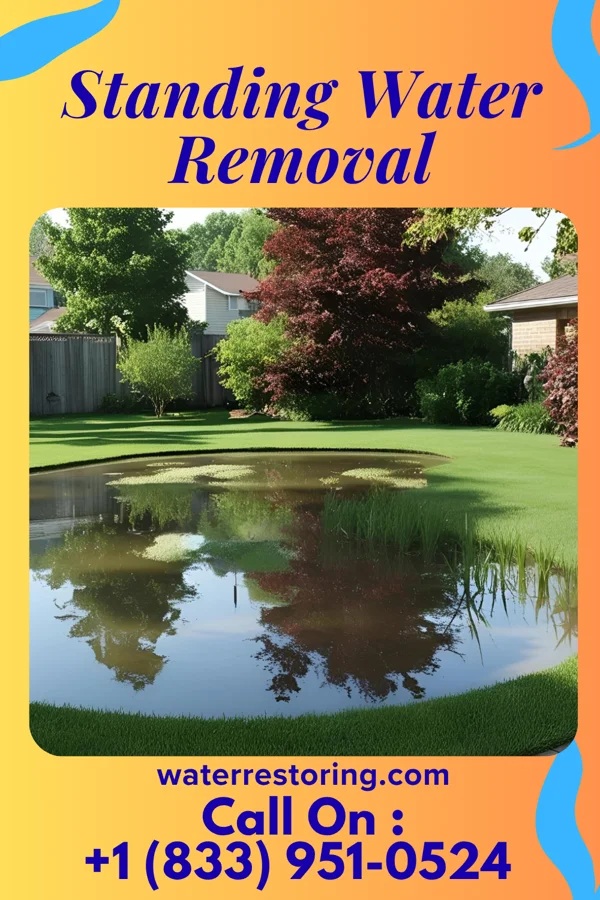
Why Monticello Standing Water Demands Fast Removal
Most water damage emergencies in Monticello start with In Monticello, New York, the primary water damage cause is often related to seasonal flooding from nearby Kiamesha Lake, especially during heavy spring rains or snowmelt. Additionally, residential plumbing leaks in older homes, particularly in the rural areas near Bridgeville and South Fallsburg, can lead to significant water intrusion.. A close second is Secondary causes include sewer backups from aging infrastructure in Sullivan County, as well as water damage from burst pipes in homes located near the lakefront. Stormwater runoff from the surrounding hills also contributes to localized flooding in low-lying areas of Monticello.. From the second water touches the property, every minute changes what gets saved and what gets ripped out.
Monticello experiences a humid continental climate with heavy precipitation in the spring and summer, increasing the risk of water damage. The proximity to Kiamesha Lake means that rising water levels and sudden storms can lead to rapid water accumulation in nearby properties.
Most standing water removal calls in Monticello come from In Monticello, New York, the primary water damage cause is often related to seasonal flooding from nearby Kiamesha Lake, especially during heavy spring rains or snowmelt. Additionally, residential plumbing leaks in older homes, particularly in the rural areas near Bridgeville and South Fallsburg, can lead to significant water intrusion.. Running a close second is Secondary causes include sewer backups from aging infrastructure in Sullivan County, as well as water damage from burst pipes in homes located near the lakefront. Stormwater runoff from the surrounding hills also contributes to localized flooding in low-lying areas of Monticello.. Local mold risk: Mold growth can occur quickly in Monticello due to the region's high humidity and frequent rainfall, especially in homes with poor ventilation or water intrusion from lakefront flooding. Immediate action is crucial to prevent long-term structural damage and health risks.
For public guidance on the health effects of mold after prolonged water exposure, see the EPA mold and health page.